
Mining Diesel Supply: Keeping Heavy Equipment Running Efficiently
Introduction
Mining operations depend on heavy equipment, reliable logistics and careful resource planning. Excavators, haul trucks, loaders, drilling equipment and other machinery may consume substantial quantities of diesel during demanding work.
When fuel supplies become insufficient, machinery may stop and production schedules can be affected. Mining diesel supply planning helps businesses estimate consumption, coordinate deliveries and reduce the risk of avoidable interruptions.
By NZT Petroleum, South Africa
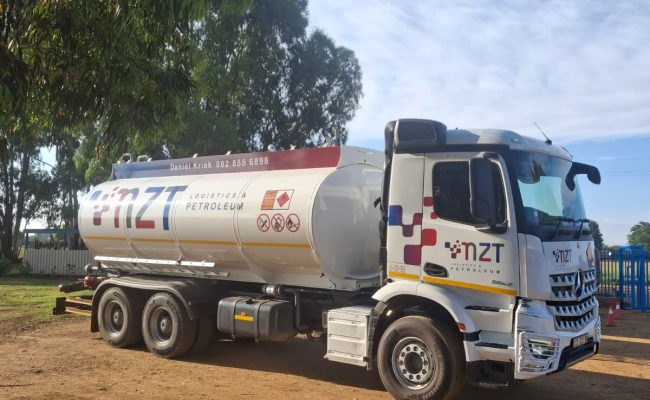
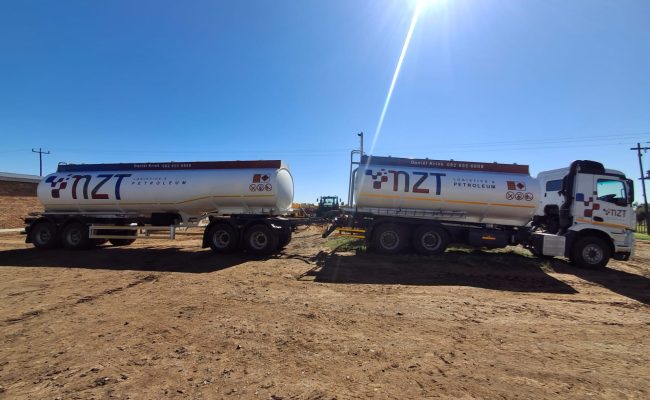
Why Reliable Diesel Supply Matters in Mining
Mining activities often involve multiple machines working across large sites. These machines perform essential tasks, including excavation, loading, hauling and material movement.
An interruption affecting one machine can influence other activities. For example, a shortage of fuel for loading equipment may affect the movement of materials and disrupt planned work.
A structured diesel supply arrangement helps mining operators account for fuel requirements when planning operations. It also provides a framework for monitoring stock levels and coordinating replenishment.
Understanding Heavy Equipment Fuel Consumption
Fuel consumption varies according to equipment type, operating hours, workload and site conditions. A machine working under demanding conditions may consume fuel differently from one operating at a lighter load.
Mining operators should use actual consumption records wherever possible. Equipment logs and fuel issue records can help establish realistic estimates.
These estimates support delivery planning. They also help operators identify changes in consumption that may require further investigation.
Planning Diesel Deliveries Around Mining Operations
Mining sites may operate on complex schedules, including extended shifts and activities across different areas. Fuel deliveries must account for access, operating conditions and the timing of equipment requirements.
Operators should estimate expected consumption and consider delivery lead times. They should also determine suitable reserve levels based on storage capacity and the consequences of a shortage.
Clear coordination between site managers and the supplier can reduce confusion. Confirming delivery quantities, locations and site requirements before dispatch supports smoother planning.
Reducing Fuel-Related Equipment Downtime
Heavy equipment requires fuel to perform its assigned tasks. If supplies run low, machines may become unavailable until replenishment occurs.
This interruption can affect production and create additional pressure on workers. It may also disrupt activities that depend on the affected equipment.
Mining diesel supply planning helps reduce these risks by making fuel monitoring part of routine operations. Regular stock checks and realistic consumption forecasts help teams identify replenishment needs earlier.
Managing Fuel Storage and Handling
Fuel storage at mining sites requires careful consideration of capacity, access, equipment suitability and safety.
Operators should follow applicable requirements for storage, fire prevention, spill response and environmental protection. Fuel areas should also have appropriate procedures for access and handling.
Regular inspections can help identify leaks, damaged equipment or other concerns. Staff responsible for fuel management should understand the site’s procedures and reporting requirements
Evaluating Mining Diesel Suppliers
Mining operators should assess whether a supplier can meet the site’s practical requirements. These may include delivery volume, site access, scheduling and communication.
When evaluating suppliers, consider:
Delivery coverage and capacity.
Ability to coordinate with site schedules.
Clear pricing and order terms.
Appropriate fuel handling procedures.
Compliance with relevant safety requirements.
Communication about availability and delivery changes.
Operators should confirm these details directly rather than assuming every supplier offers the same services.
Improving Fuel Monitoring and Reporting
Accurate fuel records help mining teams understand consumption across equipment and shifts. Records may include delivery quantities, fuel issued, stock balances and equipment usage.
Managers can review these figures to compare actual consumption with expected demand. Significant differences may indicate changes in workload, recording errors or equipment issues that require investigation.
Consistent reporting also supports forecasting. Better information allows teams to adjust supply plans using actual operational experience.
Building a More Resilient Mining Fuel Plan
A resilient fuel plan accounts for normal demand and reasonable operational variation. It should identify who checks fuel levels, who approves orders and who coordinates deliveries.
Mining operators should review the plan when equipment fleets, workloads or site conditions change. Seasonal factors and changes in operating schedules may also affect consumption.
Regular reviews help ensure the supply arrangement continues to meet the operation’s needs. They also create opportunities to improve stock monitoring and delivery coordination.
Discuss Your Mining Diesel Requirements
Fuel interruptions can affect equipment availability and production schedules. Careful forecasting, suitable storage and clear delivery coordination help mining operators manage diesel more effectively.
NZT Petroleum can discuss your site’s diesel requirements, delivery location and expected consumption. Contact NZT Petroleum to enquire about a fuel supply arrangement for your operation.
Ready for Reliable Bulk Diesel Delivery? Contact Us Today!
Frequently Asked Questions
It helps mining operators estimate demand, maintain suitable stock levels and reduce the risk of fuel-related equipment interruptions.
Many excavators, haul trucks, loaders, generators and other heavy-duty machines use diesel, although equipment requirements vary.
They can use equipment operating hours, manufacturer information, site fuel records and historical consumption data.
They should consider storage capacity, equipment suitability, site access, environmental protection and applicable safety requirements.
It should assess delivery capacity, coverage, scheduling, pricing, communication and relevant safety procedures.