
Fleet Refuelling Services: How Businesses Can Save Time and Improve Efficiency
Introduction
Businesses that operate multiple vehicles need efficient ways to manage fuel. Delivery vans, trucks, service vehicles and commercial fleets consume diesel as they travel between destinations.
When drivers must make frequent refuelling trips, they lose time that could otherwise support business activities. These stops can also affect route planning and delivery schedules. Fleet refuelling services provide an alternative approach by helping businesses coordinate fuel replenishment around their operational requirements.
By NZT Petroleum, South Africa
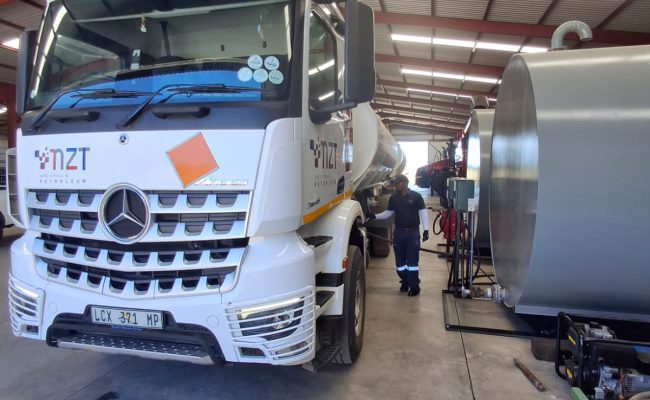
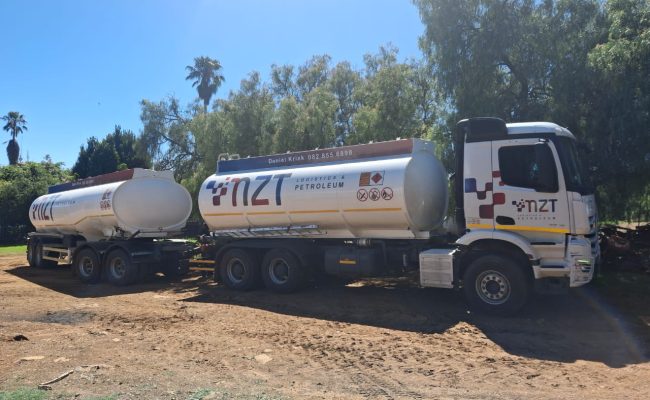
What Are Fleet Refuelling Services?
Fleet refuelling services involve arrangements designed to help businesses supply fuel to their commercial vehicles. Depending on the service provider, these arrangements may include scheduled deliveries, on-site refuelling or other fuel supply options.
The objective is to make fuel management more organised. Instead of treating each refuelling requirement as a separate task, businesses can plan around their fleet’s overall consumption.
The most suitable arrangement depends on fleet size, vehicle locations, daily mileage and available facilities. Businesses should confirm service details and coverage with the supplier.
Reducing Time Spent at Filling Stations
Filling-station visits can take longer than the actual refuelling process. Drivers may need to leave their routes, wait for access to pumps and return to their planned destinations.
For businesses with many vehicles, these interruptions can accumulate across the working week. They may also make it harder to maintain consistent delivery schedules.
Where suitable, fleet refuelling services can reduce unnecessary trips by bringing fuel closer to the vehicles. This helps businesses consider fuel management as part of their broader operational planning.
Supporting More Efficient Fleet Scheduling
Fleet managers coordinate drivers, vehicles, deliveries and maintenance. Fuel availability should form part of this process.
By reviewing mileage and fuel consumption, managers can estimate when vehicles need replenishment. They can then coordinate deliveries or refuelling arrangements around vehicle availability.
This approach can reduce unexpected interruptions and help vehicles return to service promptly. It also supports better coordination between drivers, dispatch teams and fleet managers.
Improving Fuel Cost Visibility
Fuel expenses can be difficult to manage when records are inconsistent. Businesses need accurate information to understand how much diesel their fleets consume.
Maintaining fuel records helps managers compare consumption across vehicles and operating periods. It can also reveal unusual changes that may require investigation.
Businesses should compare total costs when evaluating fleet refuelling services. Consider fuel prices, delivery fees, administration, driver time and other relevant expenses instead of comparing the diesel price alone.
Helping Drivers Focus on Their Routes
Drivers have important responsibilities beyond refuelling. They must follow schedules, complete deliveries, inspect vehicles and communicate with dispatch teams.
Reducing avoidable fuel-related tasks can help drivers use their working time more effectively. It can also simplify route planning when vehicles do not need to make additional stops.
Businesses should still follow appropriate driver rest, vehicle safety and operating procedures. Fuel planning should support safe working practices rather than encourage unrealistic schedules.
Choosing a Fleet Refuelling Provider
Before choosing a provider, businesses should assess their fleet’s operating pattern. A company with vehicles returning to one depot may have different needs from a fleet operating across multiple locations.
Consider the following:
Service coverage and delivery availability.
Suitable delivery volumes and scheduling.
Transparent pricing and invoicing.
Fuel handling and site safety.
Communication and order management.
The ability to accommodate changing fleet demand.
Businesses should also establish clear responsibilities for authorising deliveries and maintaining fuel records.
Integrating Refuelling into Fleet Management
Fleet managers can improve planning by combining fuel records with vehicle schedules. Information about mileage, operating hours and typical consumption can help estimate future requirements.
A regular review process helps identify which vehicles require frequent replenishment. Managers can then investigate possible causes, such as route changes, increased workloads or mechanical issues.
These insights support better decisions about fuel supply and vehicle utilisation. They also help businesses assess whether their current refuelling arrangement remains appropriate.
Measuring the Benefits of Fleet Refuelling
Businesses should measure results rather than assume that a new arrangement automatically reduces costs.
Useful indicators include time spent refuelling, unplanned fuel-related stops, vehicle availability and total fuel management expenses. Managers can compare these figures before and after introducing a new process.
Results will vary depending on fleet size, routes, fuel usage and delivery arrangements. Reviewing the evidence helps businesses determine whether their approach delivers practical value.
Improve Your Fleet's Fuel Management
Frequent refuelling stops can disrupt schedules and consume valuable working hours. A structured fuel management plan helps businesses coordinate deliveries, monitor consumption and support vehicle availability.
NZT Petroleum can discuss your fleet’s diesel requirements and potential supply arrangements. Contact NZT Petroleum to explore fleet refuelling options for your business.
Ready for Reliable Bulk Diesel Delivery? Contact Us Today!
Frequently Asked Questions
They are fuel supply arrangements designed to support the refuelling needs of commercial vehicles and fleets.
Transport companies, delivery businesses, service fleets and other organisations operating multiple vehicles may benefit.
It may reduce certain fuel management expenses and wasted time. Actual savings depend on service costs, vehicle usage and existing refuelling practices.
It can review vehicle mileage, fuel economy, operating schedules and historical fuel consumption.
Review service coverage, delivery arrangements, pricing, fuel handling procedures and the provider's ability to meet your fleet's needs.