
How Farmers Can Maintain a Reliable Diesel Supply During Busy Seasons
Introduction
Farming operations depend on reliable machinery and well-planned schedules. Tractors, harvesters, irrigation equipment and transport vehicles often require diesel to complete essential tasks.
During planting and harvesting seasons, fuel demand can increase quickly. A shortage at the wrong time may delay fieldwork, affect delivery schedules and disrupt daily farm operations. Working with suitable agricultural diesel suppliers helps farmers plan their fuel requirements and reduce the risk of unexpected shortages.
By NZT Petroleum, South Africa
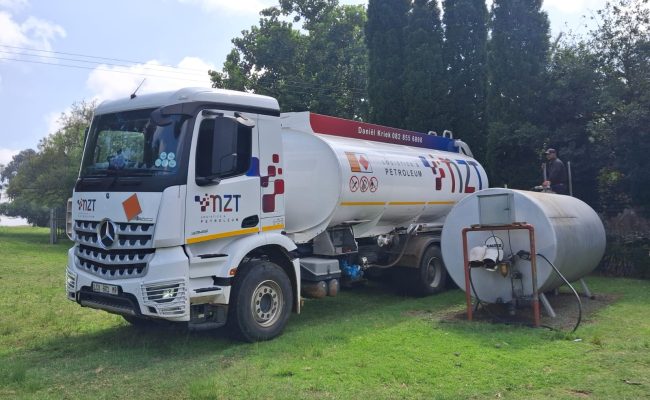
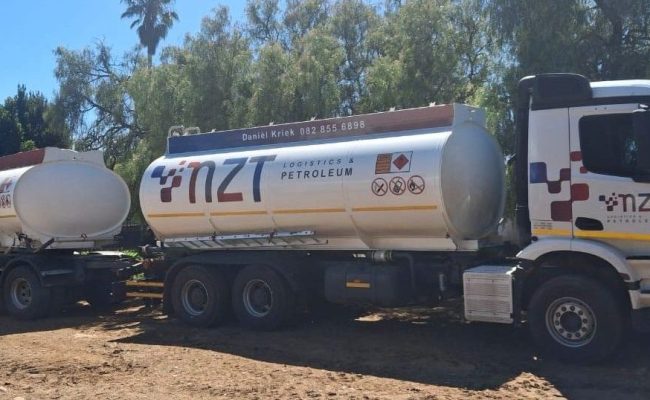
Understanding Seasonal Diesel Demand
Agricultural fuel consumption changes throughout the year. Planting, harvesting, soil preparation and crop transportation may require different amounts of diesel.
During busy periods, machinery may operate for longer hours and cover larger areas. Consequently, farms can use more fuel than they consume during quieter months.
Farmers should review previous consumption records before each major season. These records provide a starting point for estimating demand and arranging appropriate deliveries.
Why Fuel Shortages Affect Farm Productivity
Agricultural machinery often performs time-sensitive work. Planting and harvesting activities may need to happen within specific weather and crop-development windows.
When tractors or harvesters stop because of fuel shortages, workers may lose valuable operating time. Delays can affect other activities, including transporting produce and preparing fields for the next stage.
A reliable fuel plan helps farmers reduce these avoidable interruptions. By monitoring stock levels and arranging replenishment early, farms can better prepare for demanding periods.
Choosing Suitable Agricultural Diesel Suppliers
Farmers should look beyond the quoted diesel price when comparing agricultural diesel suppliers. They should also consider delivery arrangements, communication and the supplier’s ability to meet expected requirements.
Important factors include:
Delivery coverage for the farm’s location.
Suitable delivery volumes and scheduling.
Clear pricing and payment terms.
Product handling and storage requirements.
Communication about order status and availability.
The ability to discuss changing seasonal demand.
Farmers should confirm these details directly with prospective suppliers. A suitable arrangement should reflect the farm’s location, consumption and operating schedule.
Planning Diesel Deliveries Before Peak Season
Waiting until fuel stocks are nearly empty can create unnecessary pressure. During busy agricultural periods, farms may have limited time to arrange replacement supplies.
Instead, farmers should estimate fuel demand before planting or harvesting begins. They can use previous records, expected machinery hours and planned fieldwork to forecast consumption.
Once the estimate is ready, farmers can discuss delivery timing and quantities with their supplier. Early planning creates more time to resolve scheduling or storage issues.
Monitoring Farm Fuel Consumption
Tracking diesel consumption helps farmers understand how much fuel different activities require. It can also reveal unexpected changes in usage.
A simple fuel log can record delivery dates, quantities received, machinery usage and remaining stock. Larger operations may benefit from more detailed records for individual machines or farm departments.
Reviewing this information regularly supports better decisions. Farmers can identify peak consumption periods, estimate future requirements and adjust delivery schedules when conditions change..
Managing On-Farm Diesel Storage
Suitable fuel storage helps farms maintain a practical reserve between deliveries. However, storage capacity should match operational requirements and applicable safety regulations.
Farmers should use appropriate tanks and equipment. They should also follow requirements for spill prevention, fire safety, environmental protection and access control.
Regular inspections can help identify leaks, damaged equipment or other problems. Farms should also keep accurate records of stored fuel and arrange replenishment before supplies become critically low.
Preparing for Unexpected Changes in Demand
Weather, equipment breakdowns and changes in planting or harvesting schedules can affect diesel consumption. A farm may need additional fuel when work extends beyond the original plan.
Farmers should therefore avoid relying entirely on a fixed forecast. Instead, they should review fuel levels frequently during periods of high activity.
Where possible, discuss potential changes with the supplier in advance. Understanding delivery lead times and ordering requirements helps farmers respond more effectively when fuel demand increases.
Improving Long-Term Farm Fuel Management
Long-term fuel planning involves more than scheduling deliveries. Farmers should also review machinery efficiency, operating procedures and historical consumption.
Regular equipment maintenance can help keep machinery operating as intended. Accurate records can identify unusual fuel usage that may require further investigation.
Farmers should review their supply arrangements after each busy season. Comparing estimated demand with actual consumption helps improve future forecasts and delivery schedules.
Plan Your Farm's Diesel Supply with Confidence
Diesel shortages can interrupt essential farm activities during planting, harvesting and transportation. Careful forecasting, suitable storage and dependable supplier communication help farmers prepare for changing fuel requirements.
NZT Petroleum can discuss your agricultural diesel needs and delivery requirements. Contact the team to explore a fuel supply arrangement suited to your farming operation.
Ready For Our Bulk Fuel Delivery? Contact Us Now!
Frequently Asked Questions
Reliable supply arrangements help farmers plan fuel replenishment and reduce the risk of interruptions during demanding agricultural periods.
Farmers should consider delivery lead times, current stock and expected consumption. Planning before planting and harvesting seasons can reduce last-minute pressure.
They can use historical consumption, planned machinery hours, expected workloads and seasonal demand patterns.
Farms should use suitable storage equipment and follow applicable safety, environmental and fire-prevention requirements.
Yes. Weather conditions, additional fieldwork and changes in machinery usage can affect consumption. Farmers should review fuel levels and forecasts regularly.